
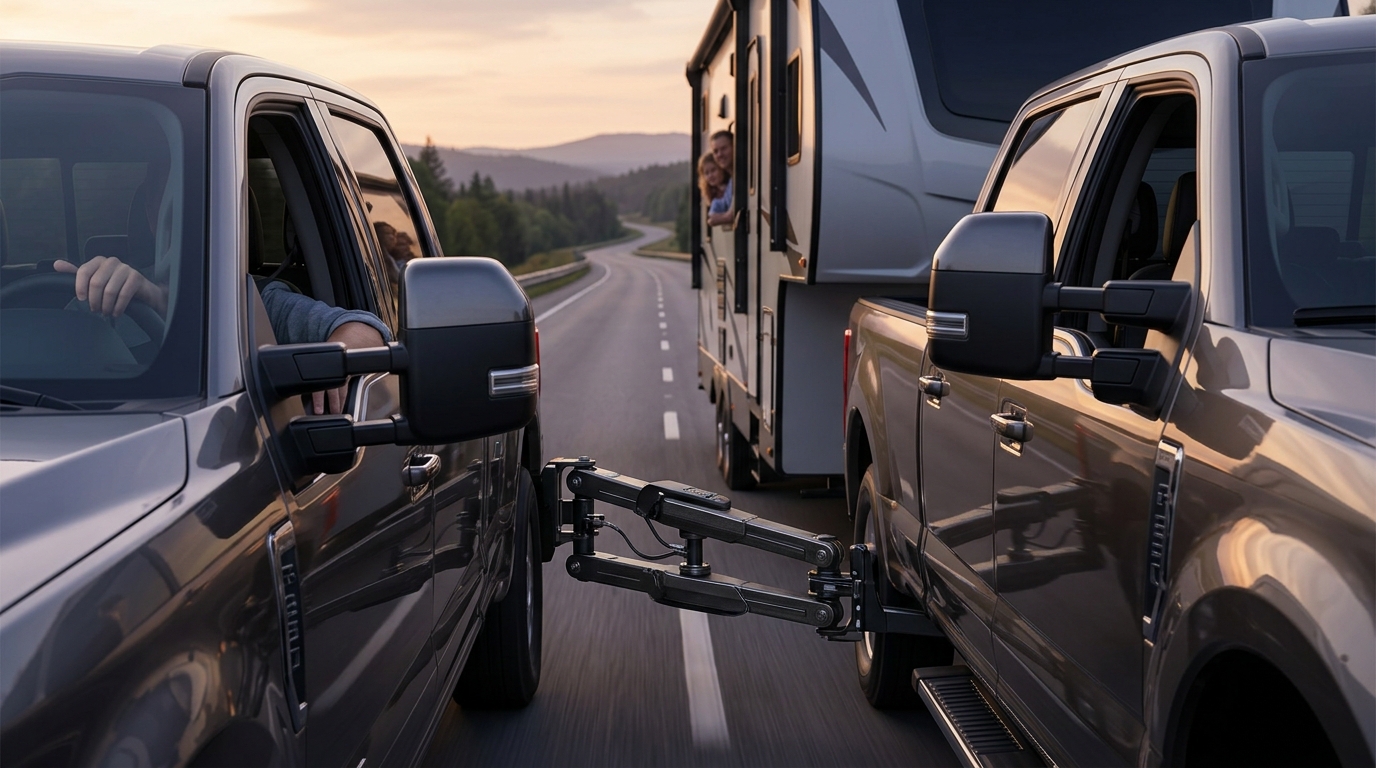
Trailer sway is not merely an annoyance; it is a dangerous mechanical failure that can lead to catastrophic accidents on the highway. According to recent towing safety reports, a significant percentage of RV accidents involve loss of control due to sway, making the selection of the correct hitch a critical safety decision rather than a simple accessory purchase. When you are searching for the best anti sway hitch for your rig, you must look beyond marketing claims and understand the underlying physics that keep your family secure. This guide details the exact criteria you need to evaluate to ensure your towing setup meets the Responsible Towing Standard. (ProPride Inc Jim Hensley)
Understanding Pivot Point Projection vs. Friction
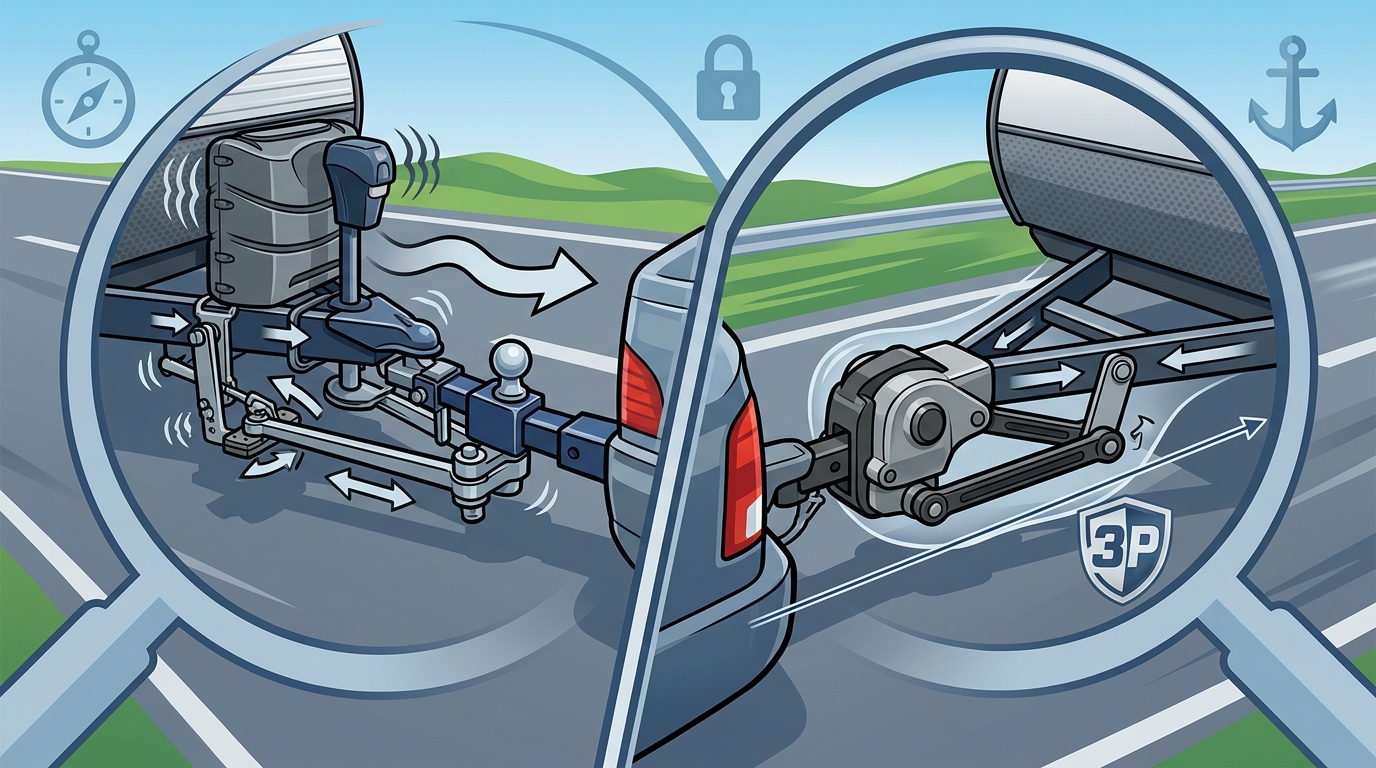
The most critical factor in buying a hitch is understanding the technology it uses to control sway. There are two primary methods: friction-based sway control and pivot point projection. Friction-based hitches rely on pressure plates to create resistance against the movement of the trailer. While these are common, they often fail to stop sway once it has started, merely slowing it down. This approach is dangerous because it does not address the root cause of the instability.
Pivot point projection is the superior method for eliminating sway entirely. This technology works by positioning the pivot point of the hitch ahead of the trailer's kingpin. By doing so, it uses the leverage of the trailer's own weight to keep the trailer aligned with the tow vehicle. This method prevents the trailer from ever initiating a sway motion, providing a stable towing experience that feels more like driving a fifth wheel. The ProPride 3P hitch utilizes this advanced physics-based approach to ensure complete sway elimination.
When evaluating options, ask yourself if the hitch manages sway or eliminates it. Managing sway implies a reactive system that fights against instability. Eliminating sway implies a proactive system that prevents instability from occurring. For serious towing, pivot point projection is the only acceptable standard.
Matching Tongue Weight Capacity
Every hitch has a specific tongue weight capacity, which is the downward force the trailer exerts on the hitch ball. Selecting a hitch with the correct capacity is vital for maintaining proper suspension geometry in your tow vehicle. If the tongue weight is too low, the tow vehicle may become unstable. If it is too high, you risk overloading the rear suspension and tires.
The ProPride 3P hitch is available in multiple models, including the 600, 800, 1000, and 1400lb options. Each model is engineered to handle a specific range of tongue weights. You must calculate the actual tongue weight of your loaded trailer before making a purchase. This calculation involves weighing the trailer and determining the weight distribution across the axles. Choosing the wrong capacity can lead to poor handling and increased wear on your vehicle.
Always consult the manufacturer's guidelines for tongue weight requirements. A general rule of thumb is that the tongue weight should be approximately 10 to 15 percent of the total trailer weight. However, this varies based on the trailer design and load distribution. Precision in this area ensures that your hitch operates within its optimal performance window.
The Importance of Precise Installation
Even the most advanced hitch will fail to perform correctly if it is not installed with precision. The geometry of the hitch relative to the tow vehicle's frame and the trailer's kingpin must be exact. Small errors in alignment can negate the benefits of pivot point projection and reintroduce sway risks.
Proper installation involves adjusting the height of the hitch head to match the trailer coupler height. It also requires setting the correct spring bar tension to achieve the desired weight distribution. Many owners mistakenly treat their hitch as a set-it-and-forget-it solution. In reality, any change in your trailer's cargo or your truck's payload shifts your center of gravity and demands a precise mechanical response.
For those who prefer professional assistance, a dedicated install network is available. Having your hitch installed by a certified technician ensures that all angles and tensions are calibrated correctly. This step is crucial for achieving the Responsible Towing Standard and ensuring long-term reliability.
Truck and Trailer Compatibility
Not all hitches work with all tow vehicles. You must consider the class of your truck, the receiver size, and the specific hitch mount type. Half-ton trucks, for example, have different towing capabilities and weight limits compared to heavy-duty diesel trucks. The hitch you choose must be compatible with your truck's receiver and capable of handling the tongue weight of your specific trailer.
Additionally, consider the length and type of your trailer. Long travel trailers and Airstreams are particularly susceptible to sway due to their aerodynamic profiles and high centers of gravity. These trailers require a hitch with robust sway control capabilities. The ProPride 3P hitch is designed to make your Airstream handle like a 5th wheel, providing exceptional stability for high-profile trailers.
Always verify the compatibility of the hitch with your specific truck and trailer combination. Consult your vehicle's owner manual for towing specifications and weight ratings. Ignoring these limits can lead to unsafe towing conditions and potential mechanical failure.
Hitch Technology Comparison
Understanding the differences between various hitch technologies helps you make an informed decision. The table below compares the ProPride 3P hitch with other common sway control methods.
| Hitch Type | Sway Control Mechanism | Effectiveness | Best For |
|---|---|---|---|
| ProPride 3P | Pivot Point Projection | Eliminates Sway | All Travel Trailers, Airstreams |
| Friction Bar Hitches | Friction Resistance | Reduces Sway | Light Duty Towing |
| Weight Distribution Hitches | Weight Redistribution | Stabilizes Load | Heavy Loads, Leveling |
| Electronic Sway Control | Brake Application | Reactive Correction | Emergency Situations |
As shown in the comparison, pivot point projection offers a proactive solution that prevents sway before it starts. This is a significant advantage over reactive systems that only engage after instability has begun. For maximum safety, a hitch that eliminates sway is the superior choice.
Key Takeaways
- Pivot point projection is the most effective technology for eliminating trailer sway entirely.
- Friction-based sway control bars are less safe because they only reduce sway rather than preventing it.
- Matching the hitch tongue weight capacity to your trailer's actual tongue weight is critical for safety.
- The ProPride 3P hitch is available in 600, 800, 1000, and 1400lb options to suit various needs.
- Precise installation is required to ensure the hitch functions according to its design specifications.
- Consider your truck's class and receiver size when selecting a compatible hitch.
- Professional installation services are available to ensure optimal setup and performance.
Frequently Asked Questions
What is the difference between a weight distribution hitch and a sway control hitch?
A weight distribution hitch spreads the tongue weight of the trailer across all axles of the tow vehicle and trailer to level the rig. A sway control hitch specifically addresses the lateral movement of the trailer. The ProPride 3P hitch combines weight distribution with pivot point projection to eliminate sway.
How do I know which ProPride 3P hitch I need?
You need to calculate the tongue weight of your loaded trailer. The ProPride 3P hitch comes in 600, 800, 1000, and 1400lb models. Select the model that matches your tongue weight range for optimal performance.
Can I install the ProPride 3P hitch myself?
Yes, the ProPride 3P hitch can be installed by the owner. Full instructional videos are available to guide you through the assembly and setup process. However, professional installation is also available through the dealer network.
Does the ProPride 3P hitch work with all travel trailers?
The ProPride 3P hitch is designed to work with a wide range of travel trailers, including Airstreams, Jayco, Lance, and Grand Design models. It is compatible with most standard ball mounts and couplers.
Is a Jim Hensley hitch worth the money?
Many owners find that the benefits of the Jim Hensley hitch, including the elimination of sway and improved towing safety, outweigh the cost. The technology provides peace of mind and protects your investment in your trailer and tow vehicle.
How does a Jim Hensley hitch affect tongue weight?
The hitch is designed to maintain proper tongue weight distribution while eliminating sway. It does not significantly alter the static tongue weight but ensures that the weight is managed effectively during towing.
What is the turn radius with a ProPride 3P hitch?
Users can enjoy up to 87 degrees of turn radius with the ProPride 3P hitch. This allows for tight backing and maneuvering without the risk of jackknifing or sway initiation.
Secure Your Towing Experience
Do not compromise on safety when towing your travel trailer. The ProPride 3P hitch offers the most advanced trailer sway control available, ensuring that you can tow with confidence and peace of mind. Visit our online store to purchase your hitch today. You can also learn more about our 0.0% APR financing options to make your purchase more accessible. For professional installation, explore our dealer network to find a certified installer near you. Take control of your towing experience and eliminate trailer sway for good.